- Phone: 8285111617
- Email: aosproduct@gmail.com



Caraway Essential Oil
- Home
- Caraway Essential Oil
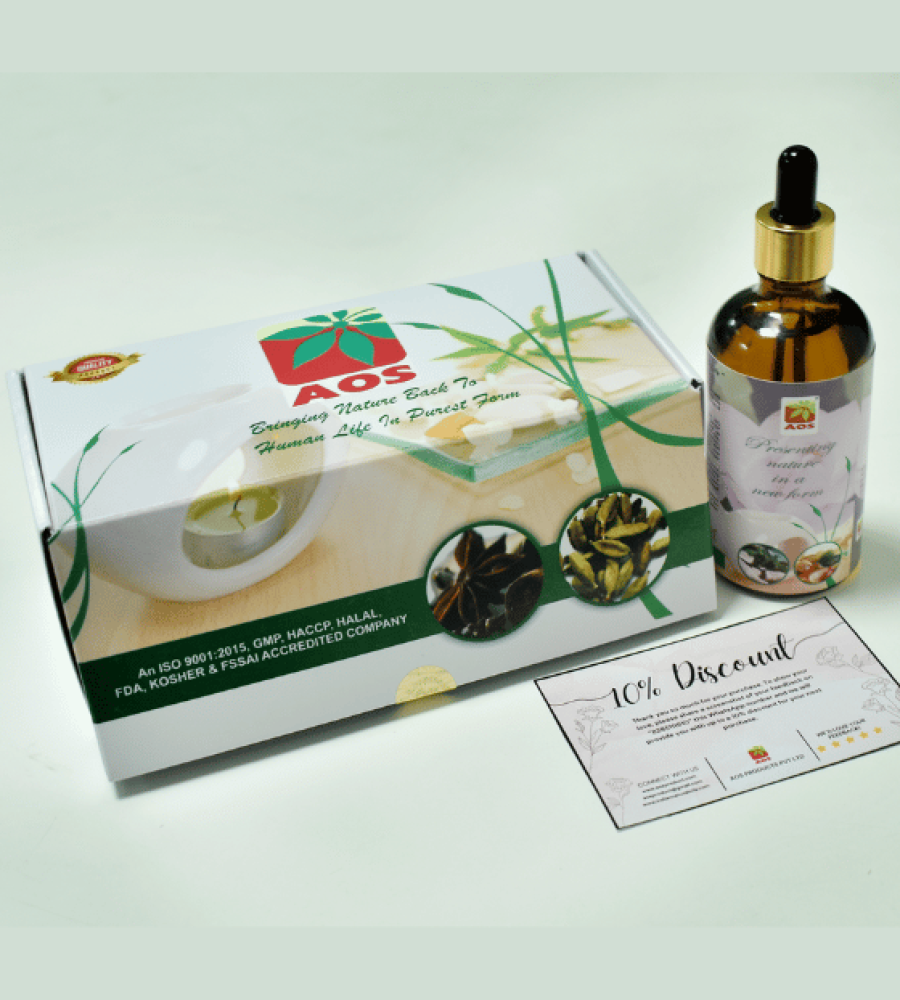
Caraway Essential Oil
Caraway Oil is extracted from the fruits of Carum carvi. It is a biennial herb that originated from Asia Minor but is now cultivated in northern Europe, Africa, and Russia. The warming essential oil helps to relieve mental strain and emotional fatigue while aiding the digestive and urinary systems and clearing the respiratory system. At the same time, it also fights skin and scalp conditions.
What is Caraway Essential Oil?
The chemical components of caraway oil are acetaldehyde, cuminic aldehyde, furfurol, carvone and limonene. Caraway oil calms the nerves and soothes mental fatigue, while setting the stomach, nervous digestion, colic, flatulence and gastric spasms. It is an effective tissue re-generator and useful for fighting oily skin while dispersing bruises, reducing boils and cleaning infected wounds. Furthermore, it relieves itching skin and helps to clear acne as well as scalp problems.
Summary:
Caraway oil thyme has a strong caraway scent and is sometimes used as a substitute for real caraway in recipes. Other similar members of the family Apiaceae include anise, fennel, dill, cumin, licorice root (Ligusticum), and coriander (cilantro). The plant prefers warm, sunny locations and well-drained soil rich in organic matter. In warmer regions, it is planted in the winter months as an annual. In temperate climates, it is planted as a summer annual or biennial. As a culinary herb, caraway is frequently used in German and Austrian cooking as a seasoning for cheese, dumplings, port, goose and sausages. It continues to be used for sauerkraut as well as breads, cakes, and sweetmeats.
Description:
Pure Caraway oil offered is extracted from Carum carvi that is also known as Apium carvi, which belongs to the Umbelliferae family. It is a biennial herb having soft fern-like leaves, umbels of white/pink flowers & small brown fruit. The oil is extracted by steam distillation from dried ripe seeds and yields 2 - 8 %.
Uses:
- Caraway oil calms nerves & soothes mental fatigue, while settling stomach, nervous digestion, flatulence, colic and gastric spasms.
- It has the potential to cleanse the liver, detoxify the system and discharge toxins, uric acid, salt and excess fluid deposits in the system.
- Caraway oil is also used to help people cough up phlegm, kill bacteria in the body, and relieve constipation.
- Apply one drop to the toothbrush when brushing teeth, morning and night.
- Diffuse 3 to 4 drops anytime to create an uplifting atmosphere.
- Add a few drops to tea or water and drink before meals or between meals
Top Benefits of Caraway Essential Oil
- Helps to cure depression and stress
- Reduces spasm of the respiratory system
- Prevents heart ailments
- Gives relief from coughs and the effects of histamine
- Aids in digestion and relieves excessive gas
3 Things You Should Know About Caraway Essential Oil
- Caraway oil is also known as Meadow cumin, which is a very old spice used in food dating back to the Stone Age.
- It is extracted by steam from dried up ripe seeds.
- It's known for its soothing/calming effect on one's digestive system and nerves, and can cause skin irritation if overused.
Properties:
- It has antiseptic properties.
- It has carminative properties.
- It has anti-spasmodic properties.
- It has an antihistaminic property.
FAQs – Caraway Essential Oil
Q1: What are the main components of Caraway Essential Oil?
A1: The main active components are carvone and limonene, responsible for its unique aroma and therapeutic benefits.
Q2: Can Caraway Oil be used for aromatherapy?
A2: Yes, it’s a great oil for calming the mind, easing stress, and promoting better focus.
Q3: Is Caraway Oil safe for internal use?
A3: It’s generally not recommended for internal use without professional guidance.
Certificates
Memberships & Certificates

Pharmexcll

Fragnaces Flavours

No Name

IEEAT

Classic

ISO Certificate

HACCP Registration

GMP Certificate

Drug License

FSSAI License
